Improve Your Home with Quality Work Today
Step-by-Step Guide: How to Inspect Your Roof After a Storm
Inspect Your Roof After a Storm: A Complete Homeowner’s Guide
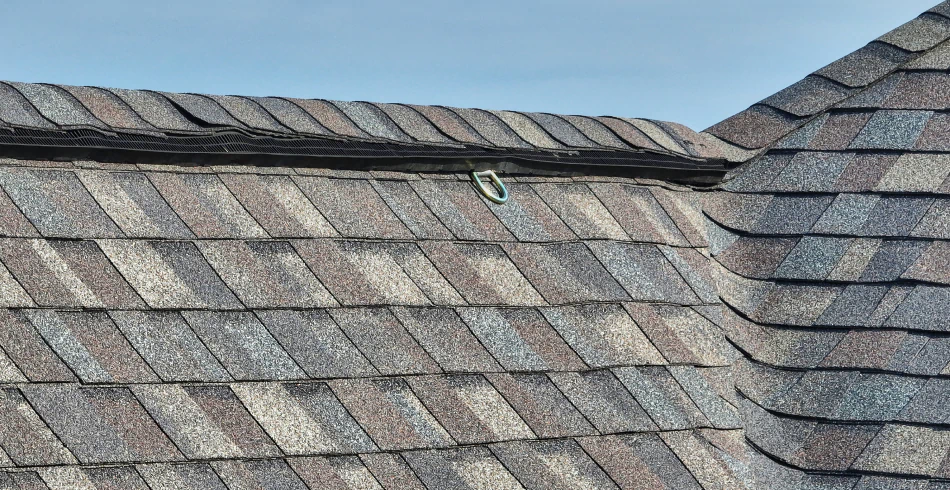
Prioritize Safety Before You Climb
Before attempting any roof inspection, your safety must come first. Wait at least 24 hours after the storm has passed to allow the roof to dry completely. Wet shingles and debris create extremely slippery conditions that significantly increase the risk of falls.
Always use a sturdy extension ladder that extends at least three feet above the roofline. Position the ladder on firm, level ground and have someone hold it steady at the base. Wear rubber-soled shoes with good traction, and never inspect your roof alone. If your roof has a steep pitch or if you feel uncomfortable at any height, skip the roof climb entirely and conduct your inspection from the ground using binoculars.
Consider hiring a professional roofing contractor if weather conditions are still unstable, if your roof is higher than one story, or if you notice any structural damage from ground level. Your safety is worth more than any DIY inspection.
Start With a Thorough Ground-Level Assessment
Begin your post-storm assessment by walking the perimeter of your home. Look carefully at the ground for displaced or missing shingles, granules accumulating in flower beds, or pieces of flashing. These ground-level clues often reveal damage before you ever need to climb a ladder.
Use binoculars to examine your roof from multiple angles. Look for obvious signs such as missing, cracked, or curling shingles. Check the flashing around chimneys, vents, and skylights for separation or damage. Inspect valleys where two roof planes meet, as these areas are particularly vulnerable during heavy rain and wind.
Pay special attention to your gutters and downspouts. Granule accumulation in gutters indicates shingle deterioration. Dents in metal gutters or downspouts suggest hail impact. In the Arlington area, where spring and summer storms can bring golf ball-sized hail and straight-line winds exceeding 60 mph, this ground-level inspection often reveals the extent of damage without requiring roof access.
Check Your Attic and Ceilings for Water Intrusion
Interior inspection can reveal roof damage that is not yet visible from the outside. Begin in your attic with a flashlight. Look for water stains on the underside of the roof decking, wet insulation, or daylight visible through the roof boards. Fresh water stains will appear dark and wet, while older damage shows as lighter brown discoloration.
Check your ceilings throughout the home for water spots, sagging drywall, or peeling paint. These signs indicate active leaks that require immediate attention. Even small leaks can lead to mold growth, structural damage, and expensive repairs if left unaddressed.
In areas like Arlington, where afternoon thunderstorms during warm months can dump several inches of rain in under an hour, even minor roof damage can quickly allow significant water intrusion. Document any interior damage with photographs and notes about the location and severity. This documentation will be valuable when filing insurance claims and working with roof repair services.
Inspect the Roof Surface for Visible Damage
If you have determined it is safe to access your roof, conduct a systematic surface inspection. Walk carefully, distributing your weight evenly and avoiding steep sections. Look for shingles that are cracked, torn, or completely missing. Check that all shingles lie flat against the roof deck, as lifted or curled edges allow wind-driven rain to penetrate.
Examine the condition of shingle granules. Asphalt shingle roofing relies on these granules to protect against UV damage and weathering. Significant granule loss creates bald spots that accelerate deterioration. Run your hand gently over the shingles; if granules come off easily, the shingles may be nearing the end of their functional life.
Inspect all roof penetrations closely. Check the caulking and flashing around chimneys, plumbing vents, satellite dishes, and exhaust fans. Damaged or separated flashing is one of the most common sources of leaks after storms. Look for lifted or bent metal flashing, deteriorated caulk, or gaps where water can enter.
Pay particular attention to ridge caps, hip shingles, and the edges of your roof. These areas take the brunt of wind forces and are often the first to sustain storm damage. Missing or damaged ridge caps create an entry point for water and should be addressed promptly.
Schedule a Professional Inspection and Plan Repairs
While homeowner inspections help identify obvious damage, a professional roof inspection provides the thorough assessment needed for insurance claims and repair planning. Trained roofing contractors have the experience to spot subtle damage that untrained eyes often miss, such as compromised seals, hairline cracks, or early-stage deterioration that will worsen over time.
Professional roof inspection services include detailed documentation with photographs, measurements, and written reports that insurance companies require. Contractors can differentiate between storm damage and normal wear, ensuring your claim includes all covered damage. They also identify underlying problems such as inadequate ventilation or structural issues that may have contributed to the damage.
If your inspection has revealed any concerning damage, contact a licensed roofing contractor promptly. Delaying repairs allows minor damage to worsen, potentially voiding insurance coverage if the carrier determines that neglect contributed to subsequent problems. Request multiple estimates and verify that contractors are licensed, insured, and experienced with storm damage roof repair.
Document everything throughout the process. Take photographs before any temporary repairs, save all estimates and invoices, and maintain a timeline of when damage was discovered and reported. This documentation protects your interests and facilitates smooth insurance processing.
Homepro Roofing and Construction has served Arlington and surrounding areas with professional roof repair services and roof replacement services for years. Our team understands the unique challenges that Texas weather presents to residential roofing systems. We provide thorough roof inspection services, work directly with insurance companies, and deliver quality repairs using premium materials. Whether you need emergency storm damage roof repair or a complete roof replacement, our licensed professionals ensure your home is protected. Contact us to schedule a free inspection and receive a detailed assessment of your roof’s condition.